Mon to Fri, 8am to 8pm PT

Alvy Logistics
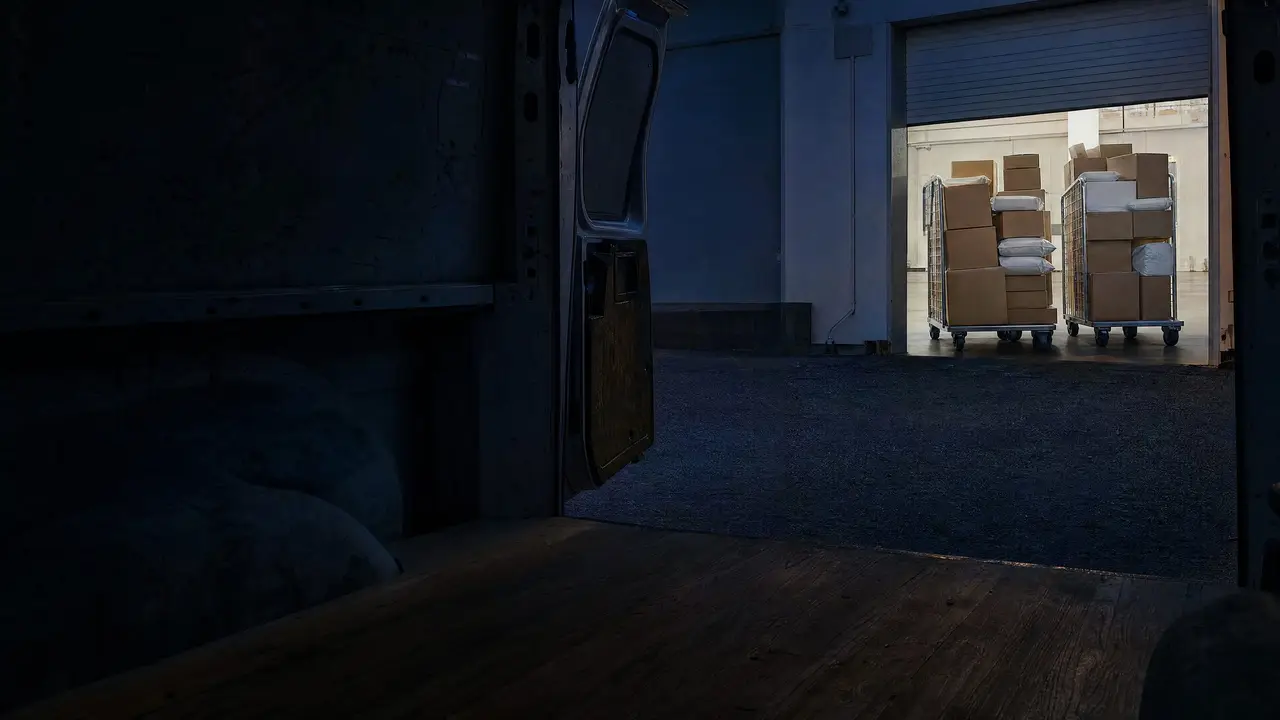
Wire carts of sealed ecommerce parcels in a lit warehouse doorway, seen from inside a delivery van at dusk.

Ecommerce logistics, explained for DTC brands

The short answer

Ecommerce logistics is the chain of steps that gets an online order from your factory to your customer: inbound freight, storage, pick and pack, shipping and last mile delivery, and returns. Alvy Logistics runs every step from receiving onward for DTC brands, from one warehouse in Valencia, California, with order processing from $5 an order and storage from $25 a pallet a month.

Alvy Logistics, Valencia, California. Starting rates as of October 8, 2026; every job gets a written quote.

The stages of ecommerce logistics we run

  • Receiving inbound freight

    Containers, pallets and cartons from your factory or supplier, unloaded and counted against the packing list.

  • Storage and inventory

    Stock racked by SKU in Valencia, with lot and expiry tracking, and levels and order status visible in the Logiwa client portal.

  • Store integrations and pick and pack

    Your store connects through the Logiwa client portal (for example Shopify), and each order is picked and packed to your spec.

  • Parcel shipping

    Parcel carriers collect at the Valencia dock, reaching most of the West in 1 to 2 days by ground. International parcels ship too.

  • Local last mile

    Bulky or high-value orders in Southern California delivered by van or box truck, with white glove when it matters.

  • Returns

    Returned orders checked against your rules, put back to stock or set aside, and reported so you can refund or replace.

What is ecommerce logistics?

Ecommerce logistics is everything physical that happens around an online order. Product leaves a factory, crosses an ocean or a state line, gets counted into a warehouse, waits on a shelf, gets picked and packed when someone clicks buy, rides with a carrier to a front door, and sometimes comes back. E-commerce logistics, DTC logistics and ecommerce shipping logistics are names for the same chain, seen from slightly different ends.

Most brands do all of it themselves at first, from a garage or a small unit. The chain only becomes visible when one link starts to break: a container nobody can unload, a holiday backlog, a shelf of returns. This page walks through each stage, what it costs on our rate card, and where Alvy Logistics fits.

Stage 1: inbound freight and receiving

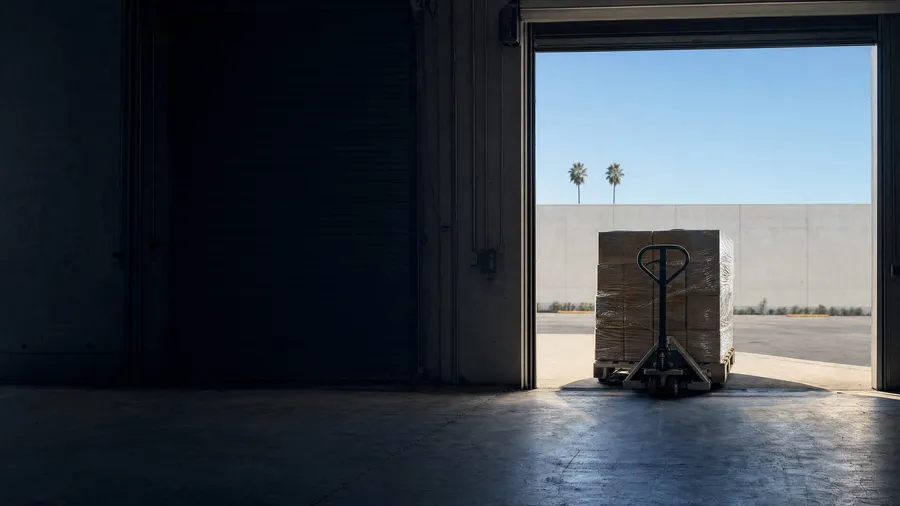
Most DTC inventory starts as a container or a pallet shipment. For brands importing through the ports of Los Angeles and Long Beach, the drayage carrier booked by you or your forwarder brings the container about 60 miles north to our dock in Valencia. We unload it, count cartons against your packing list, and report shortages and damage before the stock is released for sale. Container unloading is quoted per container, since a floor-loaded box takes more labor than a palletized one, and palletized freight is received from $12 a pallet.

Stage 2: storage and inventory

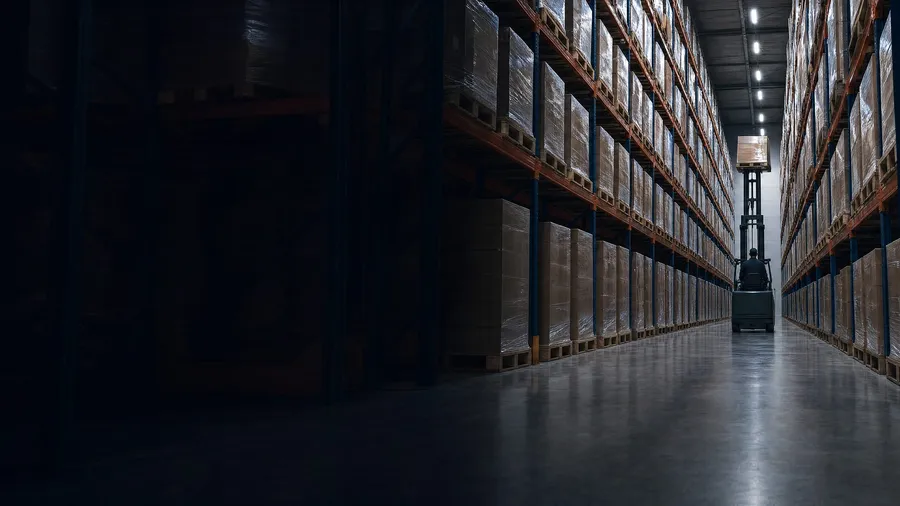
Once stock is received it is stored by SKU, on racked pallet positions or floor-stacked for bulky goods, and visible in the Logiwa client portal. Lot and expiry dates are tracked, and dated stock ships oldest date first. Pallet storage starts at $25 per pallet per month, and because terms are not annual-only, a brand that triples its stock for the holidays pays for the extra space only while it is there.

Stage 3: pick and pack

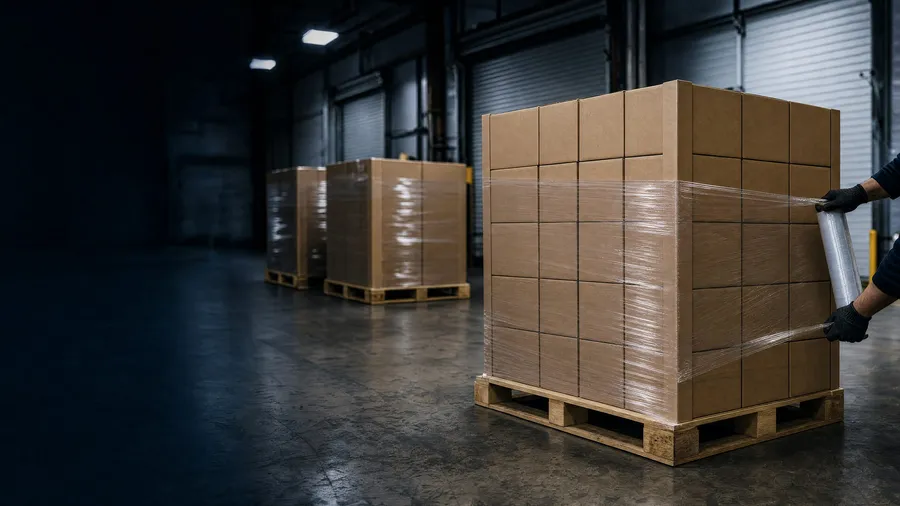
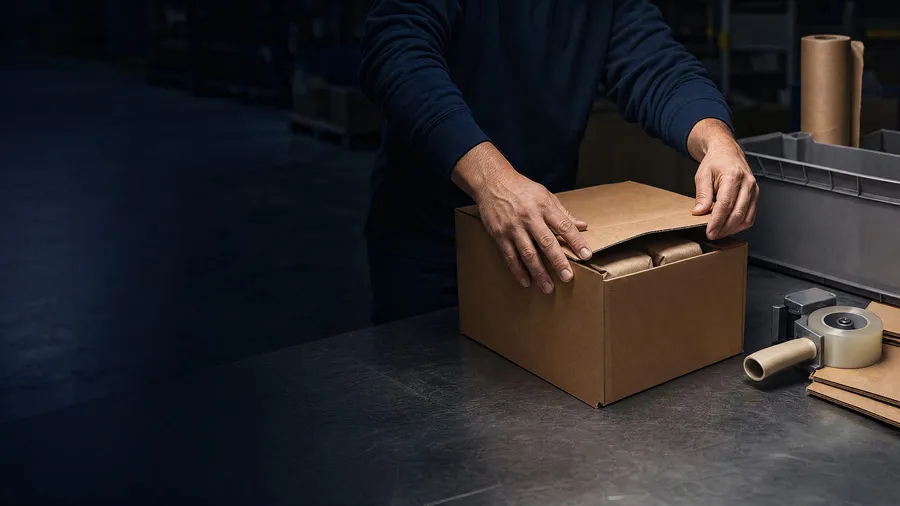
This is the part most people mean by fulfillment. Your store and sales channels connect through the Logiwa client portal (for example Shopify), so orders reach the warehouse without retyping. Each one is picked, packed to your spec with your inserts, and labeled, and you can follow it in the same portal. See pick and pack fulfillment for how a packing spec is written. Order processing starts at $5 an order; pick and pack labor is quoted once we see a sample of your real orders.

Recurring boxes follow the subscription box fulfillment workflow instead.

How do you calculate shipping costs for ecommerce?

Parcel carriers price each package on three things: billable weight, zone and service level.

  • Billable weight is the greater of the actual weight and the dimensional weight, which is the box’s length times width times height divided by a divisor the carrier publishes. A light product in an oversized box pays for the box, so right-sizing cartons cuts cost without changing carriers.
  • Zone is counted from the origin ZIP code to the destination. From Valencia, customers in California and the neighboring states sit in the nearest zones, and ground service reaches most of the West in 1 to 2 days.
  • Service level is the speed you buy. Ground is usually the cheapest, and faster tiers cost more for the same box.

Postage is billed per parcel on top of the warehouse charges, so box size and service choices show up on every single order. Parcel carriers pick up at the Valencia dock, and international parcels ship from the same building.

Stage 4: the last mile for orders that do not fit a parcel network

Some orders should not ride in a parcel network at all: furniture, fixtures, large or fragile pieces, or a high-value order to a customer across town. For those, Alvy runs final mile delivery by cargo van or box truck across Los Angeles and Southern California, from $80 by van for the first 20 miles. Local deliveries are booked and followed in Alvy’s online shipper portal.

Stage 5: returns

Returns are easy to leave until last, and returns processing is part of the service. Returned orders come back to the warehouse, get checked against your rules, and either go back to stock or are set aside as damaged. Each one is reported as it is processed, and you decide on the refund or replacement. Write the returns rule down before launch: which items can be resold, which are set aside, and who signs off on exceptions.

See reverse logistics services for grading, restocking and return to vendor.

When DTC logistics meets wholesale

Many DTC brands add retail accounts as they grow. Wholesale orders leave by the carton or pallet instead of one parcel per customer, built to each retailer’s routing guide, with GS1-128 carton labels, advance ship notices and EDI. Holding both channels in one inventory avoids splitting stock between two warehouses. The B2B and wholesale fulfillment page covers carton and pallet orders in detail.

When to hand ecommerce logistics to a 3PL

A 3PL for ecommerce makes sense when the chain is costing you time or money you would rather spend on selling. In practice that tends to start at a few hundred orders a month. Below that, packing in-house is usually cheaper, and we will say so rather than take the account. If you are weighing a 3PL against leasing your own space, read 3PL vs renting warehouse space.

For a written quote, send a month of order history with units per order, your SKU count, how inventory arrives (parcel, pallet or container), and any packaging or insert requirements. Business clients are invoiced.

Our ecommerce fulfillment services page shows how that works day to day, and the Los Angeles 3PL page covers the location.
Where our ecommerce logistics stops

  • Food or supplements: this is not an FDA-registered facility
  • Refrigerated, frozen or temperature-sensitive products
  • Hazmat or dangerous goods
  • Bonded storage: this is not a bonded warehouse
  • Very low volume, under a few hundred orders a month, where in-house is usually cheaper

How it works

From first call to steady work, one team

About Alvy Logistics
  1. 01

    Tell us the job

    Send the quote form or call. Pickup and delivery points, volume, timing and anything unusual about the freight are all we need to start.

  2. 02

    A coordinator calls you back

    A person, not a ticket queue. We confirm the details, the vehicle or warehouse setup it needs, and what is realistic on timing.

  3. 03

    A written quote, every line on it

    You see each charge before you agree to it: the base rate, mileage or storage, and any extras the job needs.

  4. 04

    Dispatch or onboarding

    Courier and freight jobs are dispatched to a matched driver and vehicle. Warehouse and fulfillment clients are set up with a receiving plan.

  5. 05

    Visibility in your portal

    Courier runs in our online shipper portal, with live driver location and pickup and delivery photos; inventory and orders in Logiwa for warehouse and fulfillment accounts.

  6. 06

    One building, one team

    Courier, freight and warehouse work are run from the same Valencia building, so a recurring route, a rush delivery and a storage question reach the same family-operated team.

Ecommerce logistics pricing, starting at

Starting-at rates from the Alvy Logistics 2026 warehouse rate card, with the cargo van line from the courier card. Pick and pack labor depends on your order profile, so it is quoted after we see a sample of orders.

StageStarting atWhat changes the price
Container unloadingQuoted per containerFloor-loaded or palletized, carton count, sorting by SKU
Receiving by the palletFrom $12 per palletMixed SKUs, unit counts, labeling
StorageFrom $25 per pallet per monthPallet count and seasonal peaks; dedicated floor space from $2.50 per sq ft per month
Order processingFrom $5 per orderUnits per order, packaging and inserts; pick and pack labor quoted per job
Local last mile by cargo vanFrom $80 for the first 20 milesMileage after 20 miles is quoted; extra stops and other extras are quoted too

Parcel postage is separate and depends on the carrier service, package weight and zone. After the first 20 miles, mileage can start as low as $1.20 a mile, depending on the vehicle and the route, and it is set on your written quote. Special project labor, such as relabeling or rework, starts at $38 an hour. Business clients are invoiced. Ask for a written quote: it lists every rate that applies to your orders before anything ships. Rates as of October 8, 2026.

Ecommerce logistics questions

What is ecommerce logistics?

Ecommerce logistics, also written e-commerce logistics, is the physical side of selling online: bringing inventory in, storing it, picking and packing each order, shipping it, delivering it and handling returns. It is the part of the ecommerce supply chain that starts when stock leaves the factory and ends when the customer has it.

How does ecommerce shipping work?

A customer places an order, the order passes from the store to the warehouse, and the warehouse picks the items, packs them and prints a carrier label. The carrier collects the parcels, moves them through its network and delivers them, and the tracking number goes back to the customer so they can follow the order.

How can I reduce ecommerce shipping costs?

Ship from closer to your customers, use the smallest box that protects the product so you are not billed for dimensional weight, and offer the slowest service the customer will accept. If most of your customers are in the West, shipping from Southern California keeps most parcels in the nearer, cheaper zones.

When should an ecommerce brand move to a 3PL?

Usually when packing orders is taking time away from selling, or you are paying for space you only fill at peak. A 3PL for ecommerce tends to make sense from a few hundred orders a month. Below that, in-house is usually cheaper, and we will tell you so.

What is the difference between ecommerce logistics and fulfillment?

Fulfillment is one stage of ecommerce logistics: picking, packing and shipping each order. Ecommerce logistics is the whole chain around it, including inbound freight, storage, last mile delivery and returns. Alvy Logistics runs each stage from receiving to returns out of one building in Valencia.

How fast can orders reach customers from Southern California?

Ground parcels from Valencia reach most of the West in 1 to 2 days through ground carriers. Orders to the Midwest and East Coast take longer on ground service. Local orders in Southern California can also go out the same day by van or box truck when the product is bulky or high value.

Often booked together

  • Ecommerce and wholesale orders picked from stock, packed to your written spec with your inserts, labeled and handed to the carrier from our Valencia warehouse.

  • A Los Angeles 3PL with one 58,000 sq ft warehouse in Valencia, north LA County: receiving, storage, pick and pack, kitting, wholesale orders and local delivery for LA brands.

  • Pallet storage from $25 per pallet per month and $12 per pallet in and out, racked or floor-stacked in a 58,000 sq ft ambient warehouse in Valencia, CA.

  • The last leg from a warehouse, store or terminal to the shelf, job site or customer, run on demand or on scheduled routes across Los Angeles and Southern California.

  • Retail, distributor and boutique orders by the carton or pallet, built to each retailer's routing guide with GS1-128 labels, ship notices and EDI, from the same Valencia stock as your ecommerce orders.

  • Industry

    Store replenishment routes, wholesale orders labeled to retailer routing guides, fixture and display delivery for openings and rollouts, and white glove delivery to customers.

  • Guide

    A plain cost comparison of leasing your own warehouse in Los Angeles against paying a 3PL per pallet and per order, with Q3 2026 lease rates, the hidden costs and a decision table.

  • Guide

    What a 3PL costs in 2026, line by line: pallet storage, pallet handling, order processing and labor, with a worked monthly example from our Valencia warehouse rate card.

Get a written quote for your next delivery, load or storage need

Tell us what needs to move or be stored, from where and how often. A coordinator calls you back Mon to Fri, 8am to 8pm PT with a quote that shows every charge.