What is kitting and assembly?
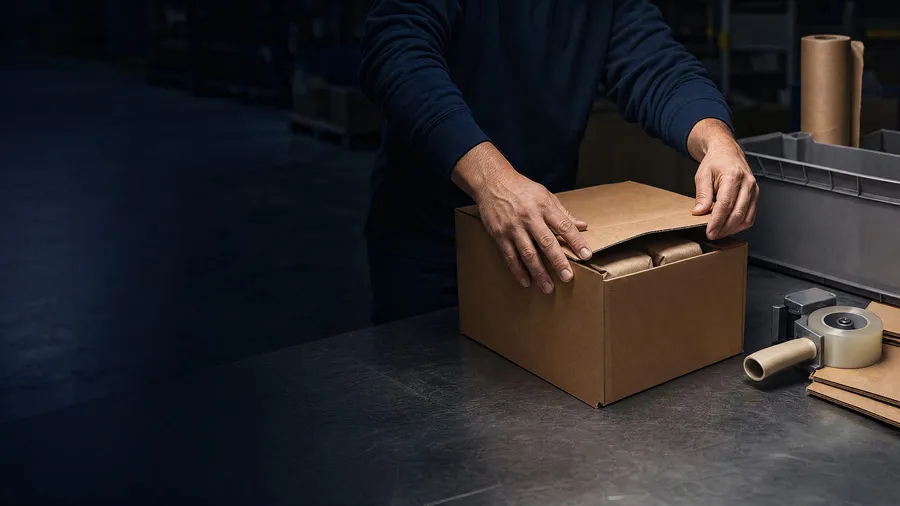
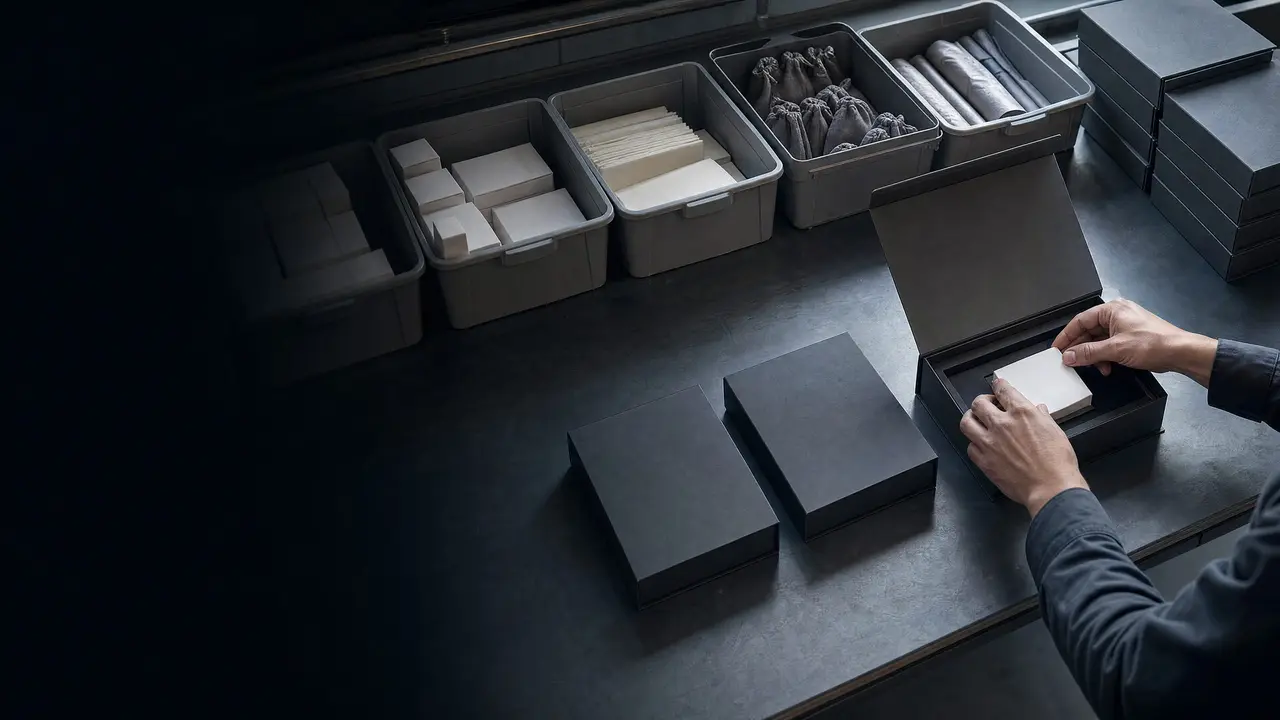
Kitting and assembly services take separate items and turn them into one unit that is ready to sell or ship. A shampoo and a conditioner become one bundle. A three-step skincare routine becomes a gift set. A retailer’s display case arrives filled and labeled instead of as loose cartons. In a warehouse, kitting means building that unit once, giving it its own SKU, and picking it as a single item when the order comes in.
The difference from plain pick and pack is timing. With pick and pack, each order is assembled from stock the moment it drops. With kitting, the assembly happens ahead of the order, in a batch, so busy weeks run faster and every kit looks the same.
What is kitting in a warehouse?
Kitting in a warehouse means building sets from separate SKUs so each finished kit can be stored and picked as one unit. Built ahead of orders, a kit gets its own SKU and the pick becomes one item instead of several; built as each order ships, the components are picked and packed together at the packing station. Running kitting and fulfillment services in the same building avoids a second move: components arrive in Valencia, kits are built and stocked, and orders ship from the same dock. Manufacturers kitting parts for a line should also read manufacturing logistics.
What are custom kitting services?
Alvy Logistics builds kits in the same Valencia warehouse where the components are received and where the finished kits are stored and shipped. Typical custom kitting services and product kitting services include:
- Bundles and multipacks. Two or more SKUs sold together and packed the way your spec says.
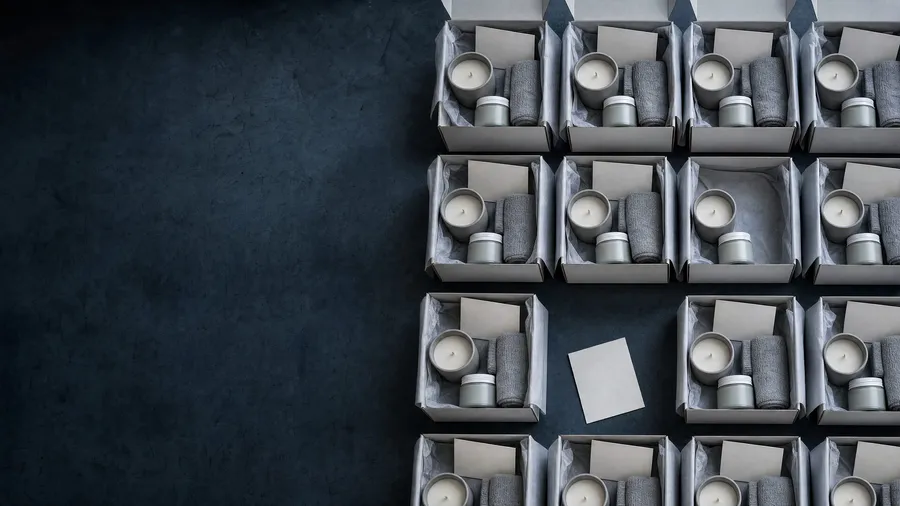
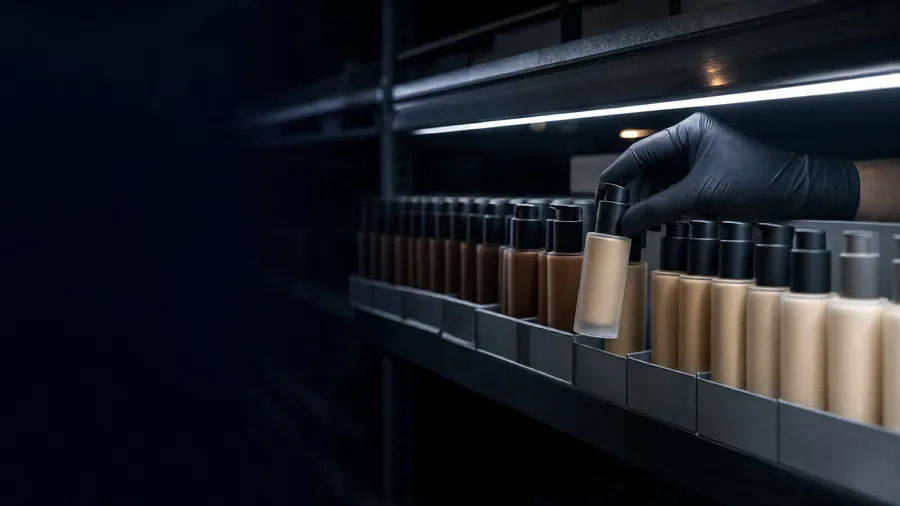
- Gift sets and holiday packs. Built ahead of the season, so the rush ships finished units. Beauty brands use this for sets and travel minis: see beauty and cosmetics fulfillment.
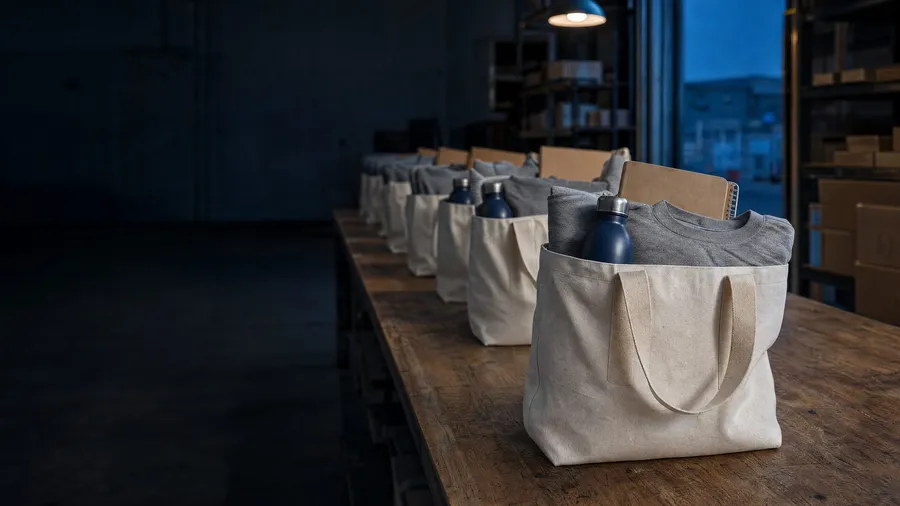
- Marketing, PR and influencer kits. Product, printed pieces and a note, sent to a list of recipients. See marketing fulfillment services.
- Retail-ready packs. Prepacks and display-ready cases built to a retailer’s spec, then shipped by the carton or pallet through B2B and wholesale fulfillment.
- Inserts and literature. Cards, samples or instructions added to product you already stock.
Assembly here means putting finished goods together into a pack. It does not mean manufacturing: work that needs tools, testing or a production line is outside what the building does.
What is the product kitting process?
- You send a kit spec. Components and quantities per kit, packing order, inserts, and a photo or a finished sample.
- Components arrive. By parcel, pallet or container. They are counted against your packing list, and shortages are reported before the build starts, because one missing component stops a whole run. Components with lot numbers or expiry dates are tracked by lot and used oldest date first.
- You approve the first kit. The first kit is built and checked against your spec, and you get photos of it to approve before the batch starts.
- The batch is built and counted. Finished kits go into stock as their own SKU and show in the Logiwa client portal.
- Kits ship as orders arrive. By parcel to customers, or by carton and pallet to stores.
Kits that differ on every order, such as a pick-your-own bundle, are built on demand and quoted as pick and pack. Either way the components and the finished kits sit in one stock pool, so nothing moves between a kitting vendor and a fulfillment vendor.
Subscription boxes
A subscription box is a kit built on a calendar: fixed contents each cycle, built in one batch and shipped to a subscriber list that changes every time. How a cycle runs, what it costs and what to send for a quote are covered on subscription box fulfillment.
Crowdfunding fulfillment
A crowdfunding campaign ends with a production run, a spreadsheet of backers and several reward tiers, often for a creator who has never shipped thousands of orders in one go. Crowdfunding fulfillment turns that into shipments: we receive the production run, build each reward tier as a kit, and ship to the backer file once addresses are final.
Tell us the tiers and what is in each, the number of backers per tier, when goods arrive and whether they come by container. If your run ships direct from the factory by container, container unloading is quoted with the job. Backers outside the US ship by international parcel from the same dock, so send the country list with your quote request and postage is priced for each destination. After the campaign ships, the same inventory can keep fulfilling store orders and late pledges.
Relabeling services, rework and special projects
Not every project is a kit. Relabeling services fix inventory that arrived wrong or needs to change: new barcodes over old ones, a retailer’s sticker, a price tag removed, a carton relabeled for a new buyer. Rework covers re-boxing damaged outer cartons, breaking down mixed pallets and rebuilding them by SKU. These jobs are billed as special project labor at $38 an hour, and the quote estimates the hours before work starts.
How much do kitting services cost?
Kit labor is quoted per job because no two kits take the same time. What moves the price:
- Components per kit. A two-item bundle is quick. A box with eight items, tissue and a card is not.
- Presentation. Folding, tissue, ribbon and placement to a photo all take time.
- Run size. Setup and the first-kit check are spread across every kit in the run, so larger runs tend to cost less per kit.
- Inbound condition. Components that arrive counted, labeled and palletized by SKU go straight to the build.
Around the build, the rate card applies. Say your components arrive on four pallets and sit in storage for a month: receiving is 4 × $12 = $48 and storage is 4 × $25 = $100. If 500 finished kits then ship as 500 single-kit orders, order processing adds 500 × $5 = $2,500. Kit labor and postage come on top of those figures. For the full cost picture, see the 3PL and pallet storage pricing guide, then send your kit spec for a written quote that prices the build and every charge around it.
Who can I outsource kitting to?
A kitting partner makes sense when you lack the space or hands for a build, or when the same kit ships every week. Our kitting fits brands shipping a few hundred to several thousand orders a month, wholesalers building retail packs, and agencies and creators with a launch. If your ongoing volume is under a few hundred orders a month and you have room to build kits yourself, in-house is usually cheaper, and we will tell you that before you move any stock.