What is full truckload (FTL) shipping?
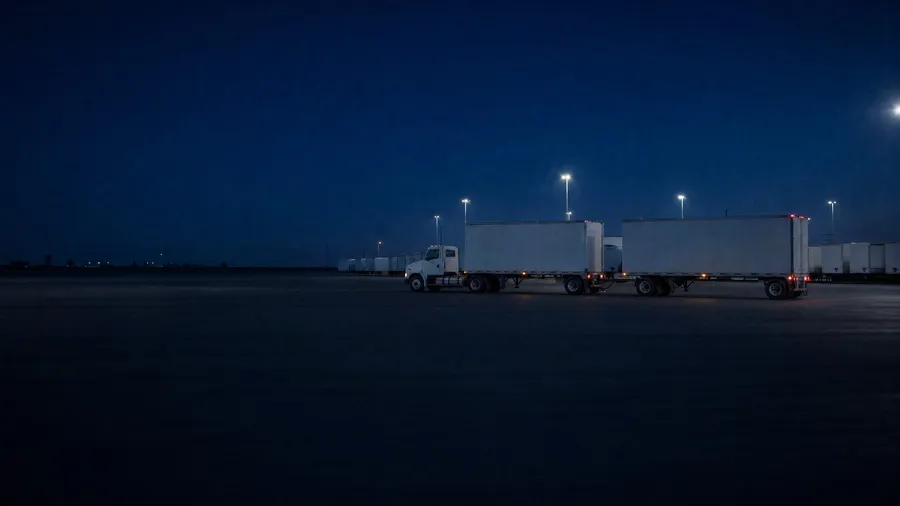
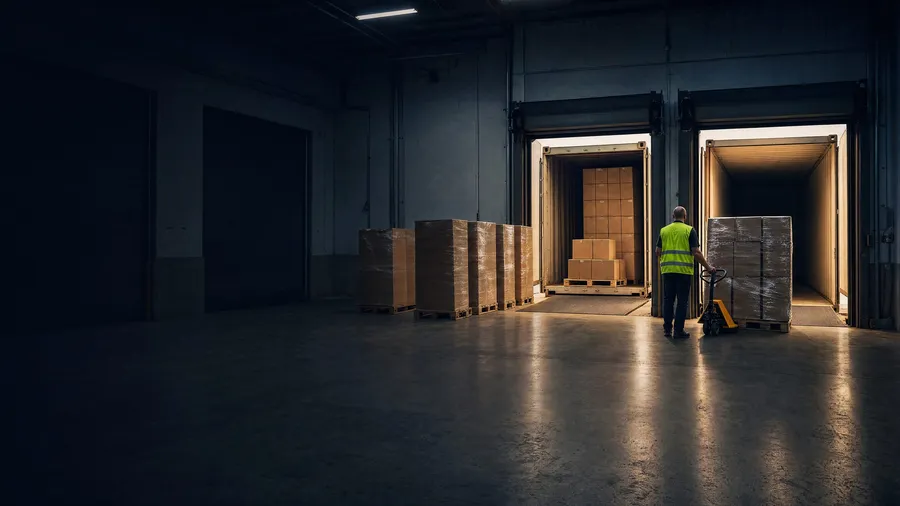
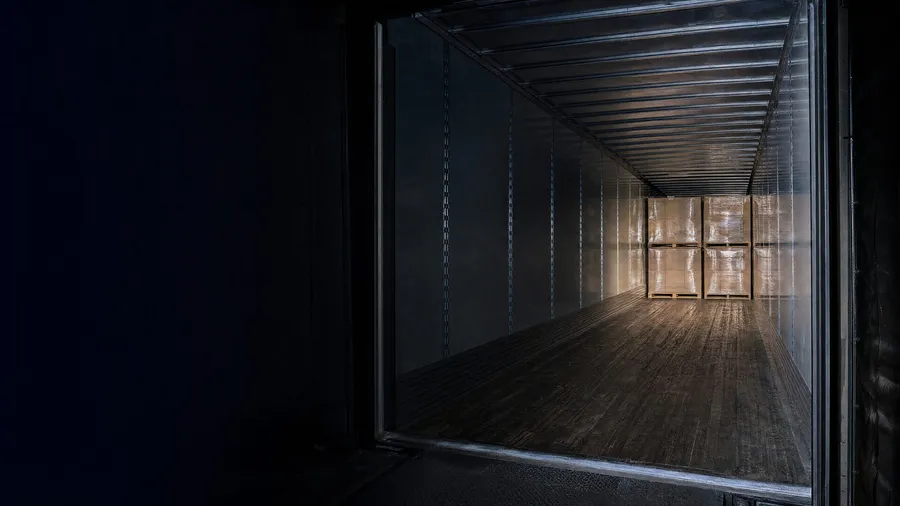
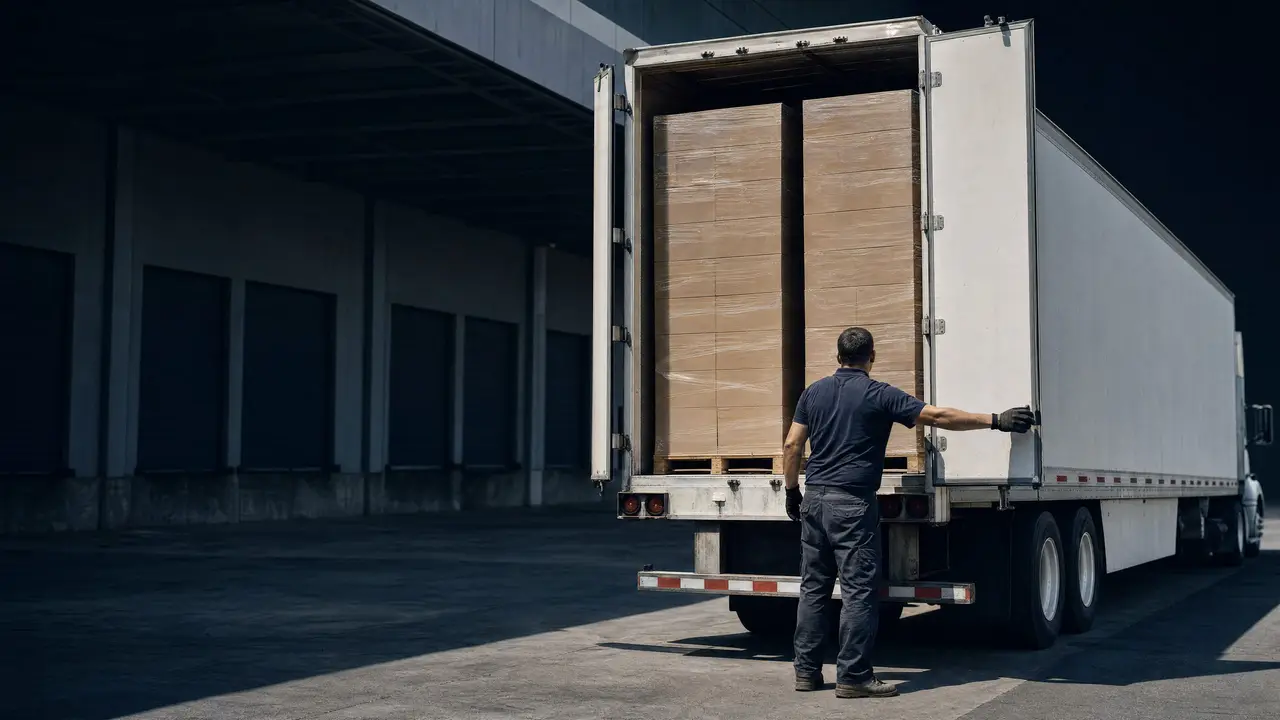
Full truckload shipping, or FTL, gives one shipper a whole truck. The freight is loaded at pickup, the doors close, and the truck runs to the delivery address with nothing added and nothing unloaded on the way. With LTL, by contrast, your pallets share a trailer and cross at least one terminal dock.
You pay for the truck, not for the space you use. That makes truckload the better buy when the freight fills most of the trailer, when it is heavy, or when it is fragile enough that every extra forklift move is a risk.
How many pallets are in a full truckload?
A 53 ft dry van, the standard trailer for truckload freight, takes about 26 standard 48 by 40 inch pallets loaded two across and single-stacked. Turning the pallets can fit a few more where the trailer’s inside width allows, and freight strong enough to bear weight can be double-stacked.
Weight is the other limit, and dense freight such as tile, metal parts or paper stock hits it first. Federal rules cap gross vehicle weight at 80,000 lbs on the Interstate system (23 CFR 658.17), and the tractor and trailer take a large share of that.
A 20 to 26 ft box truck is a smaller full load: about 10 to 12 standard pallets on the floor, and much less weight. For a lot of Southern California freight, that is the whole shipment. Box truck delivery has the truck sizes.
When does full truckload beat LTL?
| LTL | Box truck load | 53 ft dry van load | |
|---|---|---|---|
| Typical size | 1 to 6 pallets | Up to about 10 to 12 pallets | Up to about 26 pallets, single-stacked |
| Handling | Through one or more terminals | Loaded once, unloaded once | Loaded once, unloaded once |
| Shares the truck | Yes | No | No |
| Priced by | Weight, class, lane, accessorials | Base plus miles, then extras | The whole truck on the lane |
| Best for | Small shipments on long lanes | Local and regional loads | Full loads leaving the region |
No single pallet count marks the switch. NMFTA treats more than six pallets as a candidate for volume LTL, and truckload carriers expect an LTL shipment to take under 12 linear feet of trailer. Past that point, price volume LTL, partial and full truckload side by side. Fragile freight, tight deadlines and high-value goods tip toward a truck of your own sooner. The LTL vs FTL guide runs the comparison, and LTL shipping covers the shared-trailer side.
Who hauls a truckload from Los Angeles?
It depends on the truck and the lane.
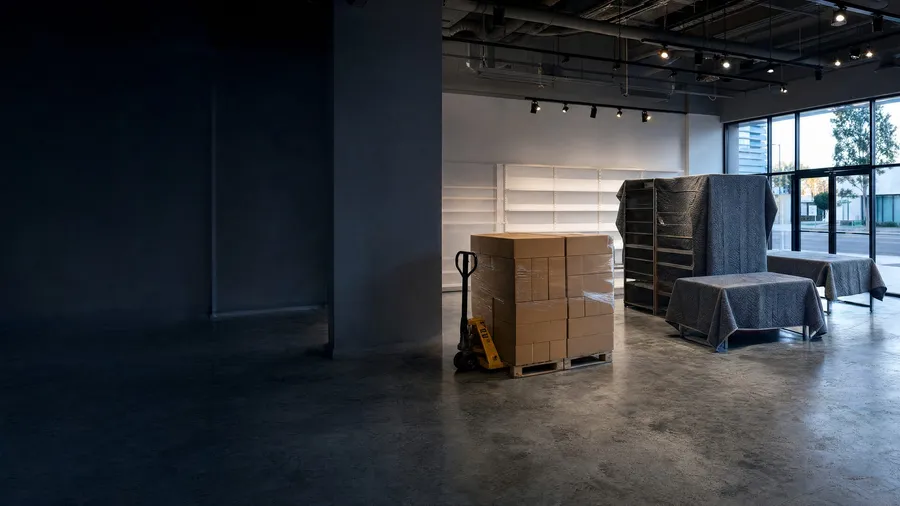
Box truck loads inside Southern California are hauled by Alvy Logistics under its own motor carrier authority (MC-1341979). Typical loads: fixtures for a store opening, a trade show or live event delivery, finished goods from a manufacturer to a distributor, or a transfer between two warehouses across the basin. A driver and box truck can also be booked as a dedicated block for a day or set hours. The price starts from a published base rather than the market. A 74-mile run from Valencia to Ontario in the Inland Empire, for example, is the $200 base for the first 20 miles plus mileage for the other 54, set on your quote before extras. Manufacturers with regular loads should also see manufacturing logistics.
53 ft dry van loads leaving the region, to Northern California, Arizona, Nevada, Utah and the rest of the West, are arranged through Accurate Freight Systems LLC, the licensed property broker in our group (MC-572734); see freight brokerage services. The broker books an authorized truckload carrier, which hauls the load. You can ask which company is handling any shipment.
How much does it cost to ship a full truckload?
A full truckload freight rate is a price for the whole truck on one lane. What moves it:
- Lane and miles. The biggest part. Direction matters too: rates tend to run higher out of markets where more freight is leaving than trucks are arriving.
- Fuel. A surcharge that follows fuel prices.
- Timing. Short notice, weekend pickups and narrow delivery windows cost more.
- Stops and dock time. Extra stops, driver assist, and detention once the carrier’s free time runs out.
Box truck loads skip the market. A published base of $200 covers the first 20 miles. After the first 20 miles, mileage can start as low as $1.20 a mile, depending on the vehicle and the route, and it is set on your written quote. Extras such as a liftgate, a pallet jack or an extra stop are added only when the job needs them and listed on the quote too.
What is partial truckload shipping?
Partial truckload sits between LTL and a full trailer. Your freight takes part of a trailer and usually stays on the same truck from pickup to delivery, without the terminal transfers of LTL, and it is usually priced on the trailer space and weight used rather than on freight class. It suits loads past standard LTL size that do not fill a 53 ft trailer. Around Los Angeles, the same load often fits a single box truck.
Who loads and unloads a truckload?
On most dry van loads the shipper loads at its own dock and the receiver unloads at theirs. Have the freight staged and the bill of lading ready when the truck backs in, and ask for the carrier’s free time and detention terms so you can plan the dock around them. On a box truck run, a short wait at the dock is expected, and longer waits are added as wait time and listed on your quote.
If inbound freight needs a stop first, a 40 ft container can be unloaded at the Valencia warehouse (container unloading is quoted), and the freight cross-docked onto outbound trucks or held there, with storage from $25 per pallet per month.
How do I arrange full truckload freight shipping?
- Pickup and delivery addresses, and whether each has a dock or needs a liftgate.
- The ready date and the latest acceptable delivery date.
- Pallet count or floor space, total weight and what the freight is.
- Whether the freight can be stacked or turned.
- Appointment times, extra stops, or a second person to load.
Request a written truckload quote or call during business hours. Business clients are invoiced, and you can ask at any point which company is handling the load.
To compare a truckload with LTL, pallet and expedited options, start at freight shipping from Los Angeles.