What is reverse logistics?
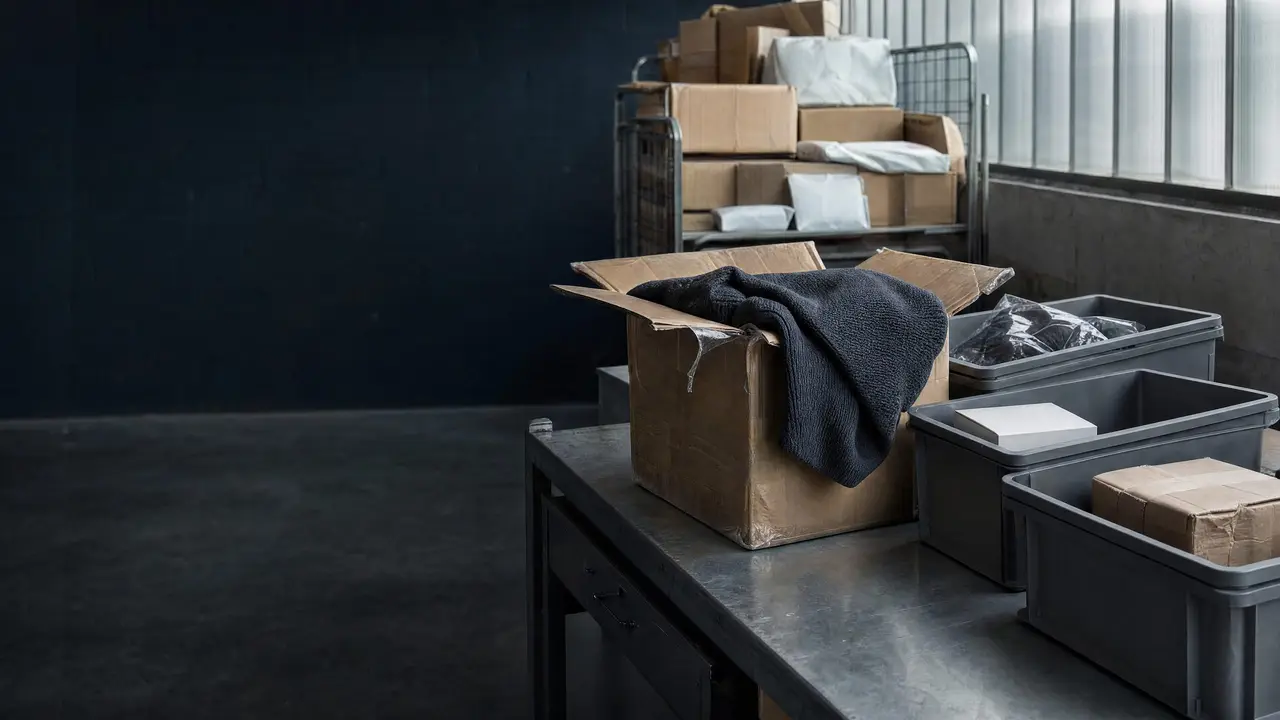
Reverse logistics services manage goods moving the other way: from the customer, the store or the retailer back to the warehouse, and on to wherever each item goes next. Forward logistics follows a plan. Reverse logistics does not. Returns arrive one parcel at a time, on no schedule and in every condition, and each one needs a decision.
Reverse logistics is the physical side of returns: getting the item back, checking it, and sending it back to stock, to a supplier or out of inventory. Returns management is the customer side (the policy, the return authorization and the refund), which usually stays with your store. Alvy Logistics runs the physical side from one 58,000 sq ft warehouse in Valencia, California, as part of our ecommerce fulfillment work.
What do returns management services cover for a brand?
For an ecommerce or wholesale brand, five kinds of goods come back:
- Customer returns. Wrong size, changed mind, arrived damaged. This is ecommerce reverse logistics, and it is the steady flow.
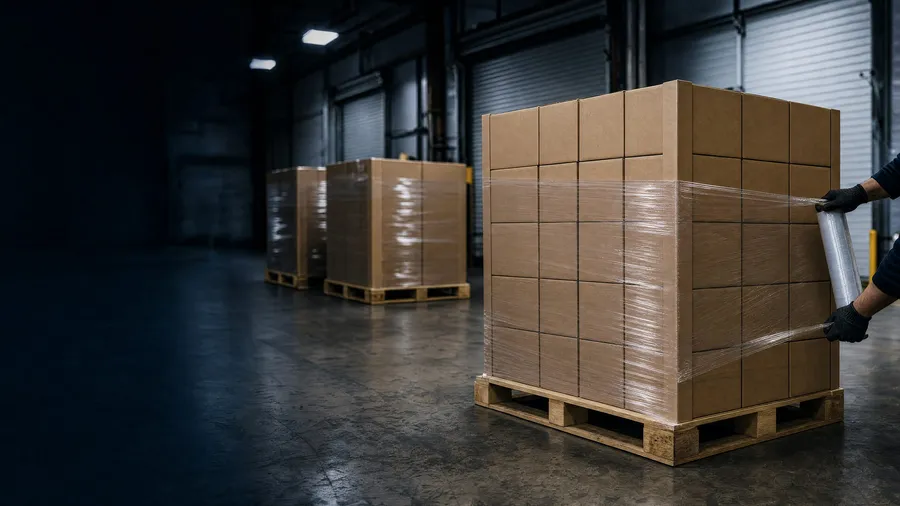
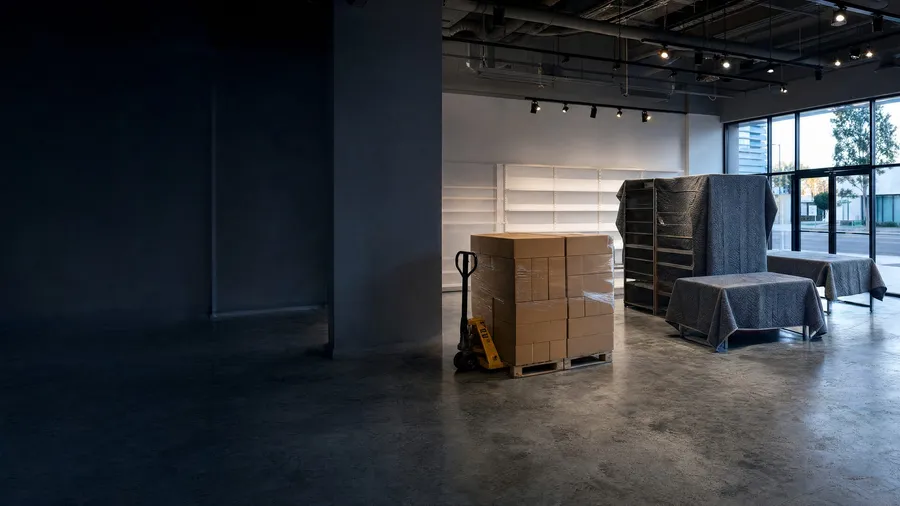
- Retailer returns. Unsold stock, damaged cartons and shipments a retailer sends back over a routing guide error or a chargeback. These come back by the carton or pallet. See B2B and wholesale fulfillment for how those orders go out right the first time.
- Damaged and refused shipments. Parcels refused at the door, undeliverable addresses and freight that arrived damaged.
- Recalls and withdrawals. General merchandise you pull from the market. Recalls of food, supplements, drugs or regulated medical product are not something we handle.
- End-of-season stock. Overstock from stores, brought back to be counted, regraded and stored or cleared.
How does ecommerce returns processing work at our warehouse?
Returns processing in Valencia runs to rules you write down before the first return arrives:
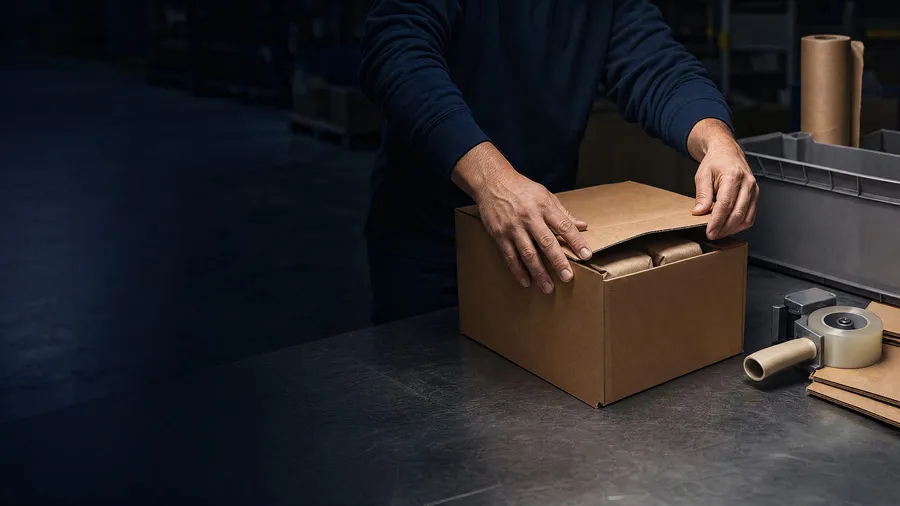
- Receive. Returned parcels and pallets come in at the Valencia dock and are matched to the original order, or to the retailer’s paperwork where there is some.
- Inspect and grade. Each item is checked against your rules and graded, for example new and sellable, sellable after rework, damaged, or unsellable.
- Restock. Sellable units go back into their storage location and show as available stock in the Logiwa client portal. For dated goods such as beauty products, the lot and expiry date are recorded, so restocked units still ship oldest date first.
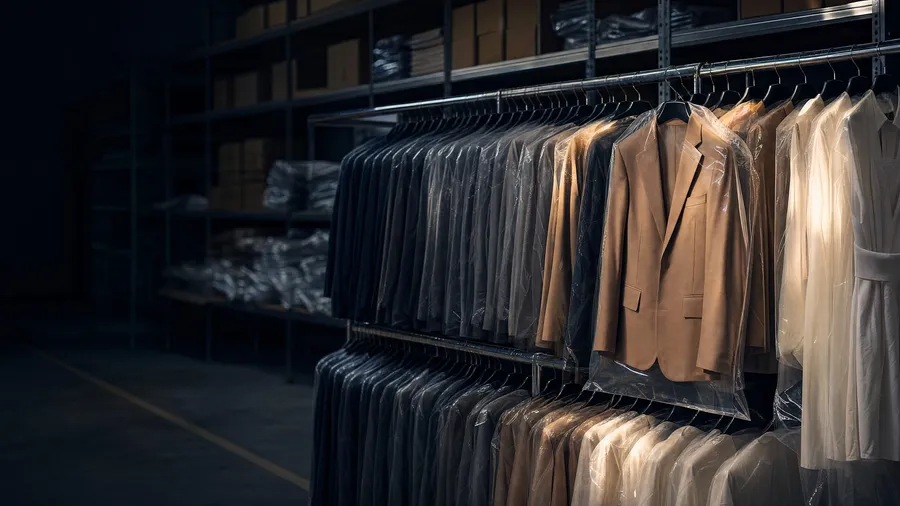
- Rework. Refolding, a new poly bag, a new label or a retag is special project labor from $38 an hour. Clothing returns are mostly this step; see apparel fulfillment.
- Quarantine or set aside. Items you want to see, or that fall outside your rules, are held apart from sellable stock until you decide.
- Return to vendor. Defective units go back to the supplier, by parcel carrier pickup at the Valencia dock or as a pallet, quoted per shipment.
- Dispose. Unsellable items are disposed of per your written instructions.
- Report. What came back, how it graded and where it went is reported as returns are processed, not saved for month end.
That is what 3PL returns management should mean: every unit accounted for, and no box of returns sitting unopened in a corner.
Can you pick up returns around Southern California?
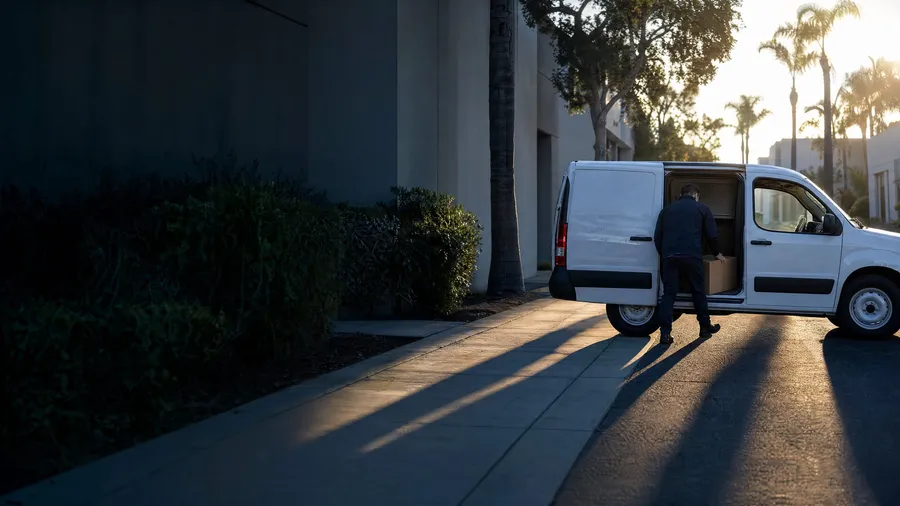
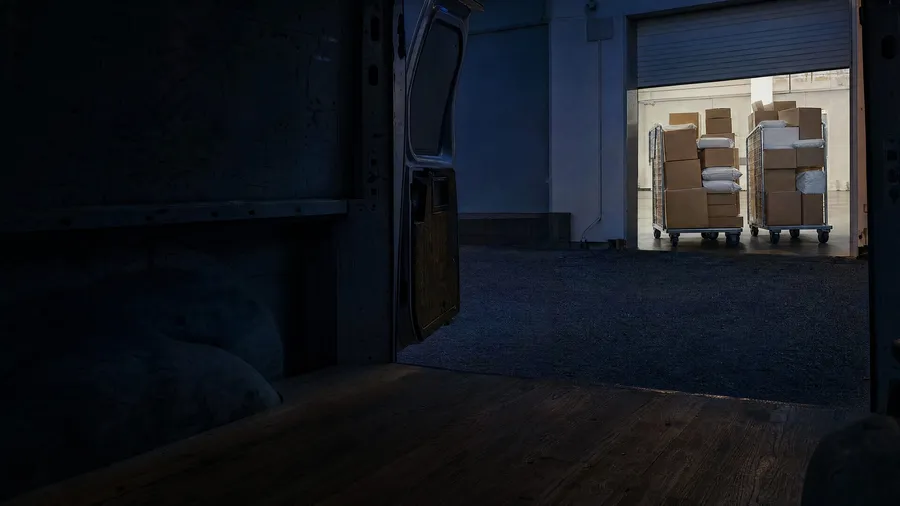
Yes, from business locations. Store returns, showroom stock, refused freight and end-of-season overstock can be collected by our courier and brought to Valencia by car, cargo van or 20 to 26 ft box truck, with drivers based across Southern California. A car starts at $45 and a cargo van at $80 for the first 20 miles. After the first 20 miles, mileage can start as low as $1.20 a mile, depending on the vehicle and the route, and it is set on your written quote. Stores on a regular retail logistics route can send returns back on the same truck that delivers to them. For several pallets at once, a box truck delivery starts at $200 for the first 20 miles.
Customer returns usually come back by parcel carrier.
What does reverse logistics cost?
Per-unit return handling is quoted, because it depends on things only your returns can show: how many arrive each month, whether they come back as single parcels or pallets, how deep the inspection goes and how many need rework. The published parts come from the Alvy Logistics 2026 warehouse rate card:
- Handling from $12 a pallet in or out, for returns that arrive or leave by the pallet
- Storage from $25 per pallet per month for returned and set-aside stock
- Rework from $38 an hour
- Exchanges ship as new orders, with order processing from $5 per order plus postage
Example: a retailer sends back 6 pallets of seasonal overstock. Receiving them starts at $72 (6 pallets at $12), and holding them for a month starts at $150 (6 pallets at $25), before any per-unit grading. For the full storage picture, read the 3PL and pallet storage pricing guide. Business clients are invoiced.
How to compare reverse logistics companies
Reverse logistics companies range from returns networks with many buildings to the warehouse that already holds your stock. For most growing brands the second is simpler: returns come back to the building that ships your orders, so sellable units return to the shelf without a transfer.
Ask any provider four things: who writes the grading rules, how soon returns are restocked, what reporting you get, and how per-unit handling is priced. Our returns management services fit brands that ship a few hundred to several thousand orders a month, or wholesale volume by the pallet. Below that, handling returns in-house is usually cheaper, and we will say so.
What we do not take back
Returns follow the same rules as everything else in the building. No food or supplements: this is not an FDA-registered facility. No drugs or regulated medical product. No hazardous materials, beyond limited-quantity consumer goods such as fragrance, nail polish and aerosols accepted after safety data sheet review. And there is no climate-controlled storage, so nothing that needs cool conditions.
What to send for a returns processing quote
- Your monthly return volume and return rate, by channel (online, stores, retailers)
- How returns arrive: single parcels, cartons or pallets
- Your grading rules, or the decisions you want to make yourself
- What happens to unsellable items: set aside, return to vendor or disposal
- Your store platform (Shopify, for example), which connects through the Logiwa client portal
- Any stores where returns need picking up
Send it through the quote form or call (661) 344-8766, and a coordinator calls back during business hours with a written quote that lists every charge before you sign.