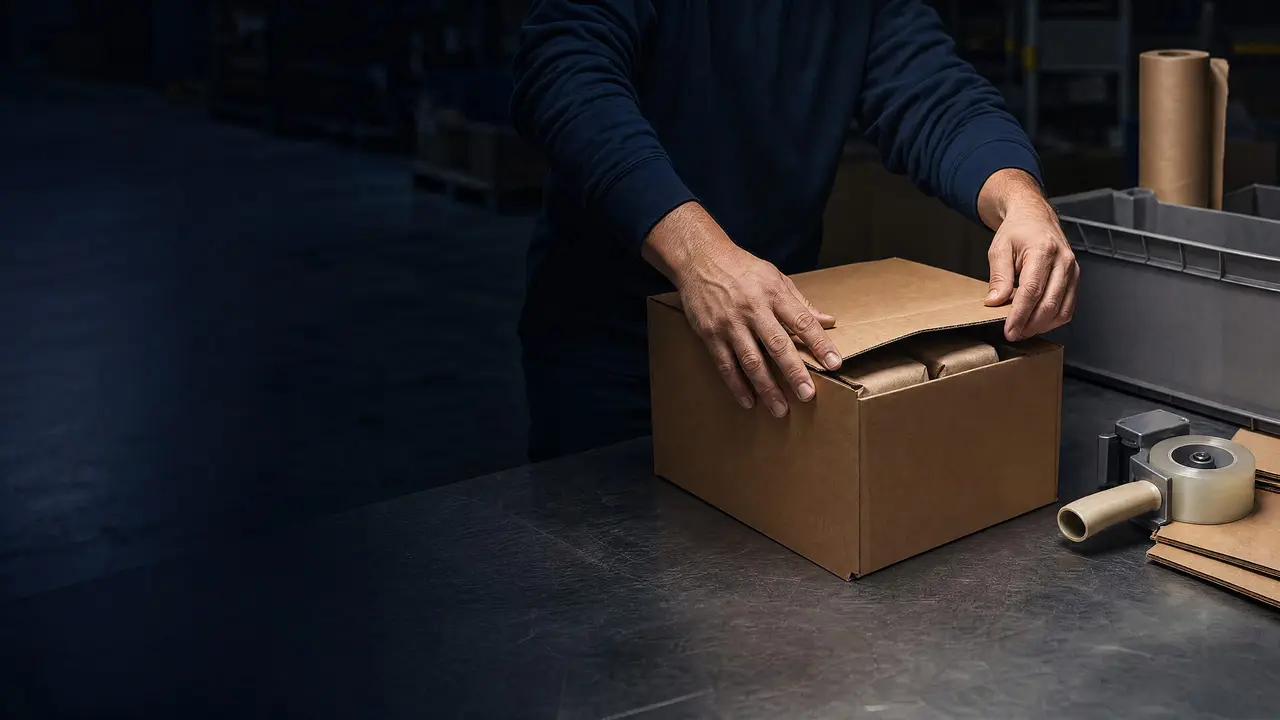
What is pick and pack fulfillment?
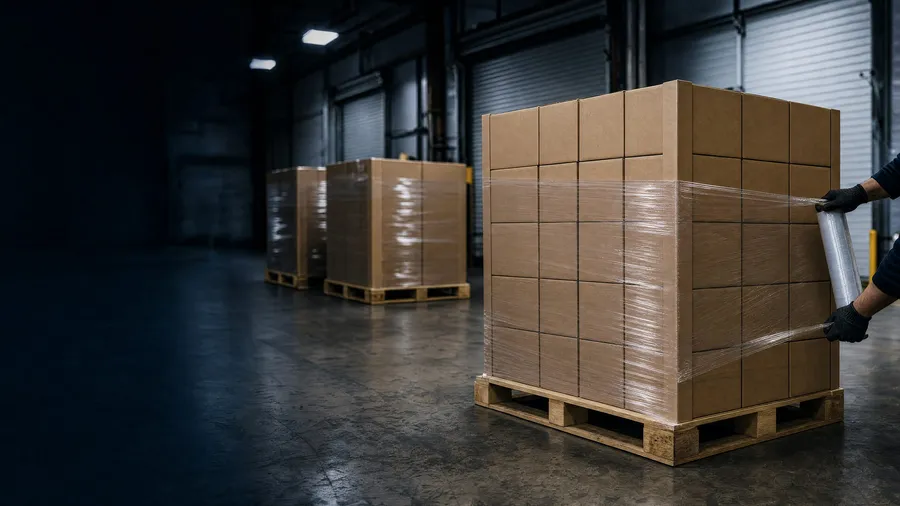
Pick and pack services cover the hands-on part of filling an order. Picking means pulling the right items, in the right quantities, from where they are stored. Packing means putting them in a box with the right protection and inserts, sealing it and labeling it for the carrier. Add the handoff to the carrier and you have pick, pack and ship.
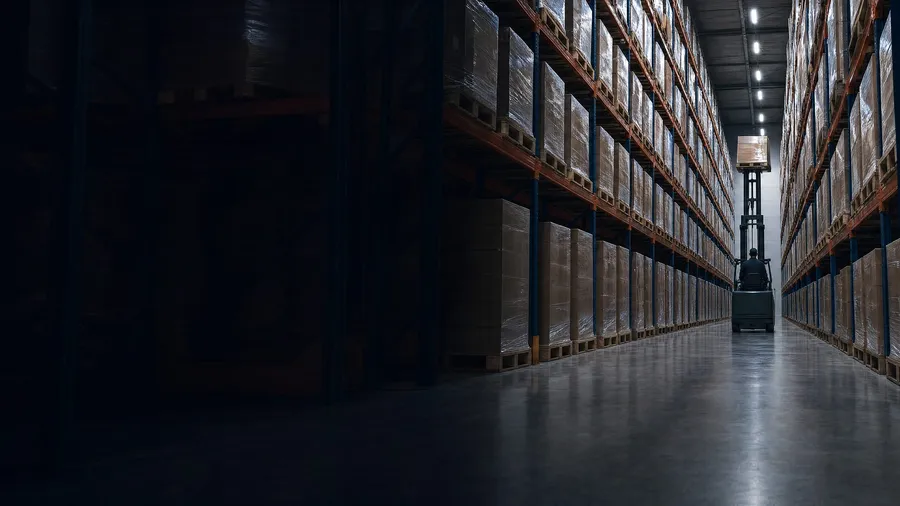
At ten orders a day it is simple. At several hundred, it becomes a system: where each SKU lives, how orders are grouped, which box goes with which order, and what happens when an item is short. That system is what you buy from a pick and pack warehouse. It is one part of full ecommerce fulfillment, which adds receiving, storage and returns processing around it.
Pick and pack is one stage of ecommerce logistics, between storage and the last mile.
How do you pick and pack in a warehouse?
Here is how an order moves through our Valencia building:
- The order arrives. Your store connects through the Logiwa client portal (Shopify, for example), so orders flow straight to the warehouse, and you can follow each one there from received to shipped.
- It is released for picking. Orders are released to the floor against a daily cutoff that we agree with you during onboarding.
- Items are picked. A picker pulls each item by SKU from its storage location rather than by eye, which is what keeps a lookalike product from going out in its place.
- The order is packed. The packer checks the items against the order, takes the box your packing spec calls for, adds cushioning, inserts or samples, and seals it.
- It is labeled and staged. The carrier label goes on and the parcel is staged for the parcel carrier pickups at our Valencia dock, on the service the order calls for. International parcels ship from the same dock.
- Exceptions are reported. A short item, a damaged unit or a bad address is flagged to you while it can still be fixed, not saved for a month-end report.
Order picking: what changes the work
Order picking is often the largest share of the labor in fulfillment, because so much of it is walking and finding. How much work it takes depends on your order profile:
- Single-item orders are the fastest: one location, one item, one box.
- Multi-item orders need several stops and a check before packing.
- Large catalogs, like clothing in many sizes and colors, need more storage locations and careful setup. See apparel fulfillment.
- Bundles picked as loose items on every order cost more than bundles built ahead as kits. If the same combination ships often, kitting and assembly usually lowers the cost per order.
Packing: boxes, inserts and branded packaging
Packing is where your brand meets the customer. Your written packing spec sets the box for each order size, the cushioning, which inserts go in which orders, gift notes, and any branded tissue or stickers you supply. Fragile goods get their own rules; for glass and liquids, see beauty and cosmetics fulfillment.
A good spec also saves on shipping. Carriers charge by dimensional weight, so a box that is too big for the order costs more to ship than one that fits.
What drives pick and pack rates?
Pick and pack rates differ between providers because they are built on different order profiles. At Alvy Logistics, the cost of an order has four parts:
| Part | Starting at | What moves it |
|---|---|---|
| Order processing | $5 per order | Applies to every order shipped |
| Pick and pack labor | Quoted from sample orders | Units and SKUs per order, packing steps, inserts |
| Storage | $25 per pallet per month | How much stock you keep on hand |
| Postage | Set by carrier and service | Weight, box size, destination and service |
The fixed parts add up quickly at volume. A brand shipping 1,500 orders a month from 10 pallets of stock pays 1,500 × $5 = $7,500 in order processing and 10 × $25 = $250 in storage, before labor and postage.
We price labor after seeing a month of real orders, because a per-order rate built on guesses is the one that changes after you sign. Wholesale orders by the carton or pallet are priced differently: see B2B and wholesale fulfillment. The surest number is a written quote built on your own orders.
When should you outsource pick and pack to a 3PL?
Handing pick and pack to a 3PL makes sense when packing eats time you should spend selling, when the back room is full, or when seasonal peaks mean hiring and training people for a few weeks a year. Our fit is a few hundred to several thousand orders a month, with terms that are not annual-only. Under a few hundred orders a month, doing it yourself is usually cheaper, and we will say so instead of taking the account.
Boxes that ship to subscribers on a fixed cycle follow a different workflow: see subscription box fulfillment.
What to send for a pick and pack quote
- A month of order history with units and SKUs per order
- Your SKU count and how inventory arrives (parcel, pallet or container)
- Your packaging, insert and gift note requirements
- Your store platform (Shopify, for example) and any other order sources
- Any wholesale or B2B orders that ship from the same stock
- Your return volume, if you want returns processed and restocked
For storage and handling costs in more detail, read the 3PL and pallet storage pricing guide. Then send your order sample through the quote form or call (661) 344-8766, and you get a written quote with the labor rate and every charge before you sign.