What is a medical courier service?
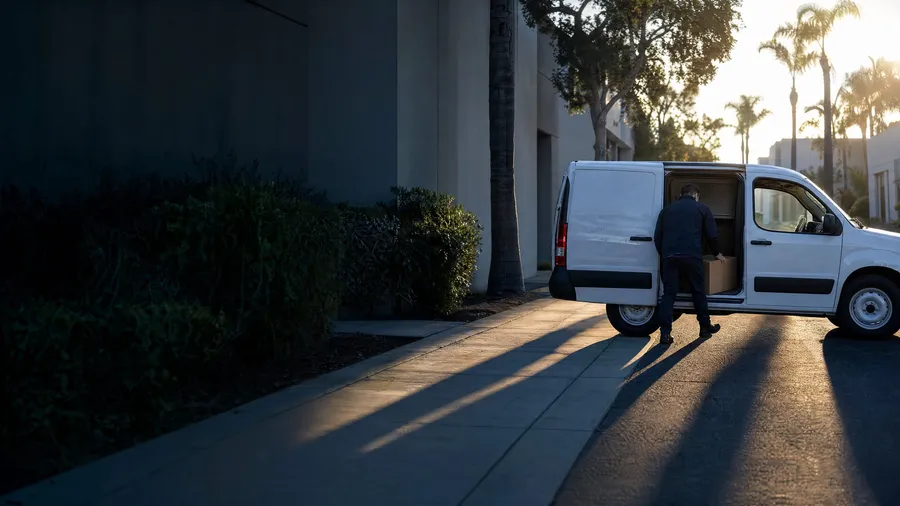
A medical courier service is a business courier for healthcare work: it moves lab specimens, pharmacy orders, medical supplies and devices between the places that send and receive them. At Alvy Logistics that means labs, clinics, physician groups, pharmacies and medical device companies across Los Angeles County and our other service areas, with drivers based in each area and one rate card for all of them.
Whether you call it a medical courier or a medical delivery service, the job is the same: the right package, to the right receiving point, inside the window.
Every run is booked and paid for by the business sending or receiving it. If you are a driver looking for work, applications go through drive with us.
What is a STAT courier, and when is a routed run better?
STAT comes from the Latin statim, “immediately”. A STAT run goes out with the first suitable driver and runs straight from pickup to delivery with no other stops: a specimen a lab needs today, a device a surgery center needs before a case, a pharmacy order a clinic has run out of.
A routed run is the opposite: scheduled pickups on a fixed window, such as an afternoon sweep of physician offices and draw sites that ends at the lab. One driver and one vehicle cover many stops, so routes are quoted per stop or per route and cost less per pickup than booking each one STAT.
| STAT run | Routed run | |
|---|---|---|
| When it leaves | As soon as a suitable driver can take it | On a fixed daily or weekly window |
| Stops | One pickup, one delivery | Several pickups, usually ending at the lab |
| How it is priced | Courier rate card: base rate plus mileage | Per stop or per route, quoted |
| Best for | Urgent samples, missing devices, stockouts | Recurring lab pickups and supply runs |
Many labs and clinics need both: a standing route for the daily volume and STAT runs for the exceptions. For urgent work outside healthcare, see same-day courier service.
Lab specimen transport and pickups
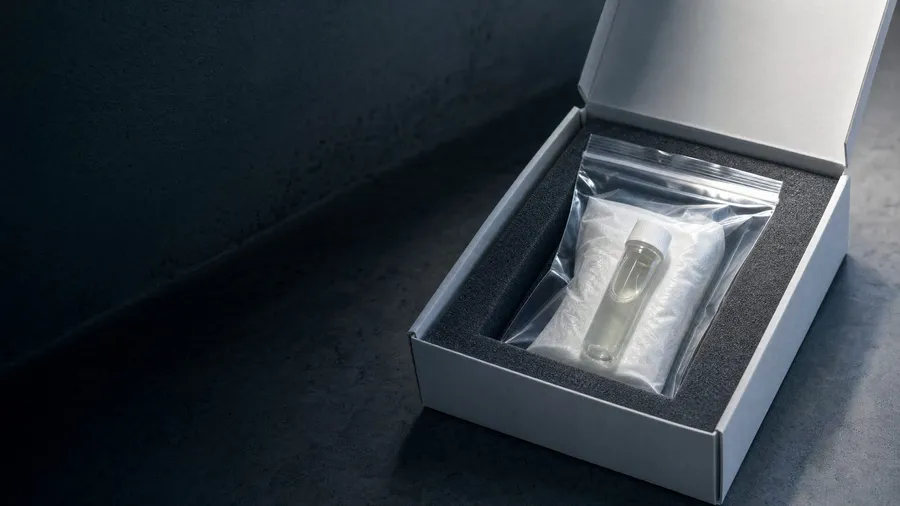
For specimen transport, the driver collects packages that are already packed and closed, carries them unopened and delivers them to the receiving point you name. Each run shows up in our online shipper portal, where your lab can follow its specimen pickups with the driver’s live location, onsite updates at each stop, and pickup and delivery updates with photos, so you can see when a draw site has been collected and when the package reached your receiving point. Drivers on specimen routes are trained in bloodborne pathogens, with training records on file.
Courier vehicles are ambient, with no powered cooling. Specimens that must stay cool travel in the shipper’s own insulated packaging with cold packs, packed for the length of the run.
What happens if the chain of custody is broken?
Chain of custody is the record of who held a specimen, and when, from collection to the lab. If it has a gap, the receiving lab or a reviewing party can reject the specimen or challenge the result, and the usual fix is a new collection.
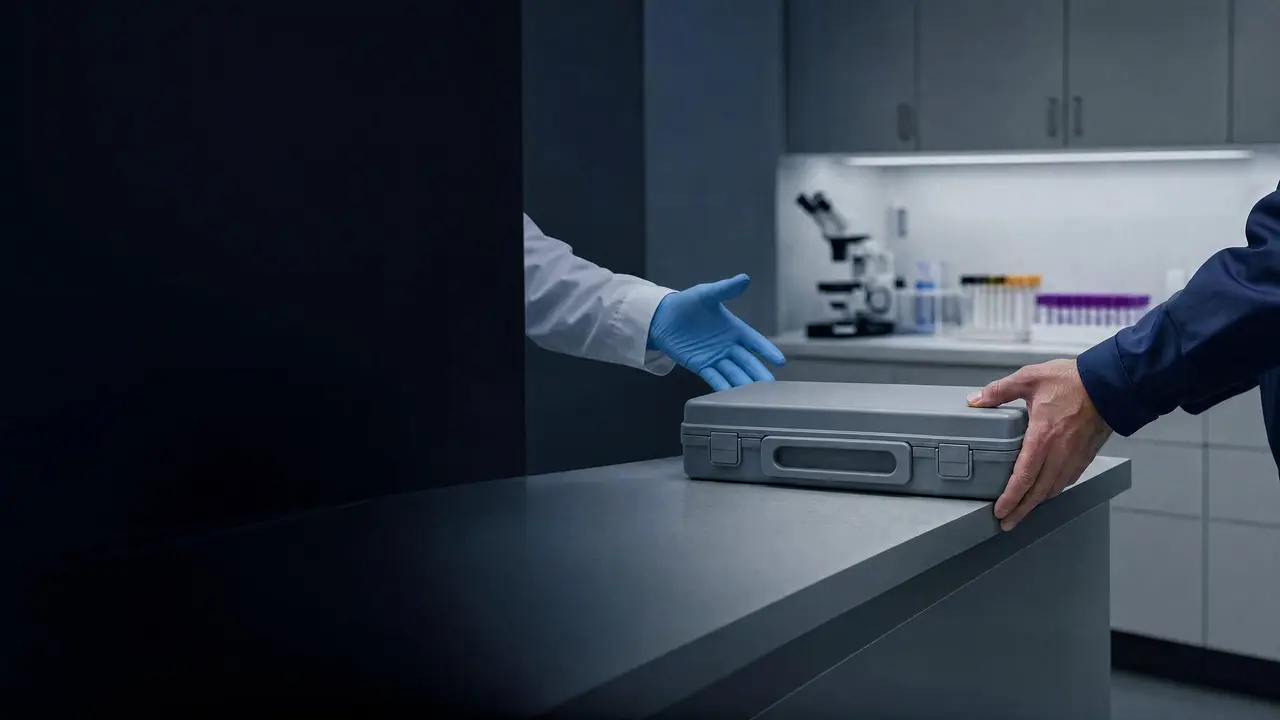
What the courier has to do depends on the program. In federally regulated workplace drug testing, the custody form travels inside the sealed package, and the HHS Mandatory Guidelines do not require couriers to document their part of the trip. Some legal and clinical trial protocols do ask for a signed record at each handoff. If yours does, say so at booking and send the form with the package: the driver signs as the driver or carrier, never as the shipper. The photo updates in the portal show each pickup and delivery as it happens; they sit alongside a signed form, not in place of one.
What the shipper packs and what the courier does
UN3373 is the identification number for “Biological substance, Category B”: patient specimens and cultures that may carry infectious agents but do not meet the Category A definition. Under 49 CFR 173.199, a Category B package needs triple packaging (a primary receptacle, secondary packaging and a rigid outer packaging) and the UN3373 diamond mark with the shipping name on the outside.
| The shipper (lab, clinic or practice) | The courier |
|---|---|
| Packs each specimen in triple packaging | Collects the closed package as packed |
| Marks UN3373 and “Biological substance, Category B” | Carries it without opening or repacking it |
| Adds insulation and cold packs where the specimen needs them | Carries it in an ambient vehicle, with no powered cooling |
| Puts a responsible person’s name and phone number on the package or the paperwork | Delivers to the named receiving point |
For label examples and the full packing sequence, see our guide to medical courier requirements.
Medical delivery service for devices and supplies
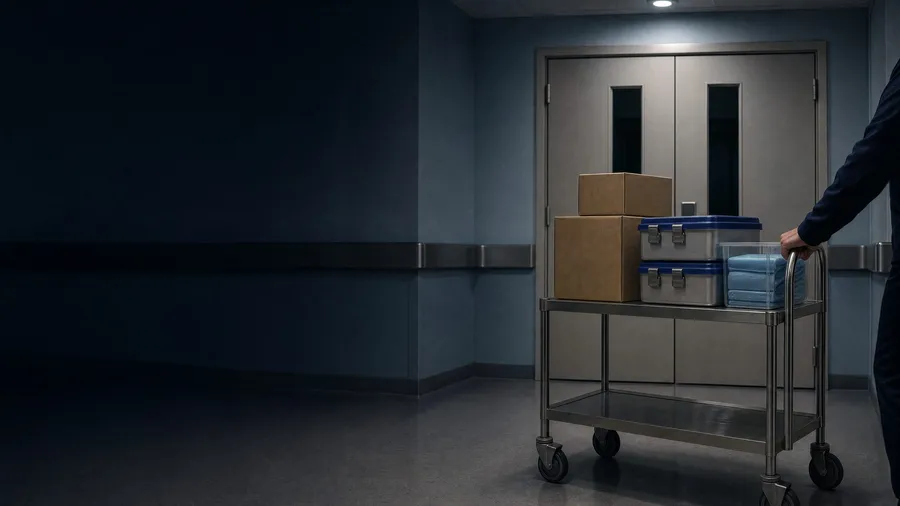
Device companies and distributors book medical delivery runs for instrument sets, device cases, demo units and supply orders going to hospitals, surgery centers and clinics, and for the return trip afterward. Medical and industrial equipment has been a steady part of Alvy’s courier work since 2021, much of it for freight brokers and shippers that move equipment in volume. Small cases go by car, multi-case orders and supply cartons by cargo van, and pallets of supplies by box truck with a liftgate. Hospital receiving docks and surgery center front desks keep their own hours and rules, so give us the receiving contact and the hours when you book. Storage and supply programs beyond the courier run are covered under medical supply logistics.
Pharmacy courier runs between business locations
As a pharmacy courier, we carry a pharmacy’s packaged orders between business addresses: between branches, from a central fill or distribution site to its stores, and from a pharmacy to the clinics and care facilities it supplies. The pharmacy packs and seals each order and sets the hand-off requirements, and the driver follows them. We do not handle controlled substances.
HIPAA and business associate agreements, plainly
HHS generally treats a courier that only transports protected health information, with no more than random or infrequent access to it, as a conduit, like the postal service, rather than a business associate (HHS guidance). Some providers still ask courier vendors to sign a business associate agreement. If yours does, raise it when the account is set up. There is no HIPAA certification for couriers, so treat any badge that suggests one with caution.
How to compare medical courier companies
Medical courier companies differ less in the vehicle than in the paperwork. Ask who packs each specimen (the shipper, under 49 CFR 173.199 for UN3373) and how the courier carries it, whether drivers on specimen routes have bloodborne pathogens training records, how custody is recorded at each handoff, and whether you can see the driver’s location and photo proof of delivery in a portal. Ask what the company does not do as well: Alvy Logistics carries each specimen sealed, as the shipper packed it, and tells you up front which temperature or timing needs fall outside the service.
How to book a medical courier run
Send the pickup and delivery addresses, what is going and how many pieces, whether it is STAT or recurring, the time window, and any custody form or delivery receipt your process requires. STAT runs are priced on the call; routes are priced after a look at your stops and windows, and business clients are invoiced. If your lab or pharmacy already runs its own TMS, it can usually be connected to our online shipper portal. See the Los Angeles courier cost guide for what sets the price of a run, then request a quote or call (661) 344-8766 to set up an account.
Labs and clinics in Orange County, San Diego, Ventura and Santa Barbara and Fresno and the Central Valley book the same service, run by drivers based in each area.